
EU ETS and maritime fuel costs
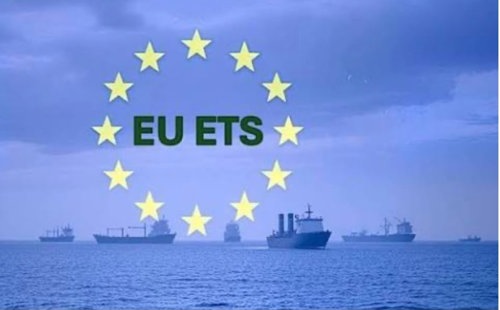
EU ETS and maritime fuel costs: Understanding the impact on shipping operations
Introduction
The introduction of the European Union Emissions Trading System (EU ETS) for shipping has added a new dimension to the cost considerations of vessel operations.
While bunker prices have always been a major factor in shipping economics, operators must now also account for the cost of emissions associated with fuel consumption. This means that the true cost of marine fuel is no longer determined by the bunker price alone.
The growing importance of emissions costs
Under the EU ETS, shipping companies are required to surrender allowances for greenhouse gas emissions from applicable voyages. As a result, emissions have become a direct financial consideration alongside traditional operational expenses.
The impact of EU ETS depends on several factors, including:
- Vessel fuel consumption
- Fuel type and associated emissions
- Trading routes
- Time spent within the EU ETS scope
- Market price of emission allowances
For operators, understanding these elements is essential when assessing the total cost of a voyage.
Fuel choices and operational decisions
The introduction of emissions costs creates a stronger link between fuel consumption, operational efficiency and financial planning.
Two fuels with similar bunker prices may have different overall cost implications when emissions are taken into account. This makes it increasingly important to look beyond the initial purchase price and consider the wider impact on voyage economics.
Operational decisions such as speed management, route planning and fuel selection can all influence the total cost of compliance.
The importance of accurate information
As regulations continue to evolve, access to reliable market information and accurate emissions data becomes increasingly important.
Operators need visibility into both fuel markets and regulatory developments to understand potential cost impacts and make well-informed operational choices.
Looking ahead
The relationship between marine fuels, emissions regulations and operational costs will continue to develop. EU ETS is one of several factors shaping how the maritime industry approaches fuel management.
For ship operators, understanding these changes is essential to balancing cost efficiency, compliance requirements and operational performance.
Navigating new regulations requires accurate information and practical insight. Contact our team to discuss your marine fuel requirements and operational challenges.