
B100
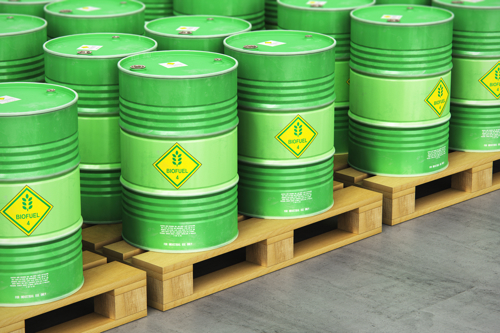
B100 demand is growing. But does it add up for your vessel?
B100 is gaining ground in Rotterdam.
New data from ENGINE shows that 77 B100 fuel quality samples were recorded in Rotterdam between January and August 2026, compared with 34 during the same period last year, an increase of 126%.
B100 also accounted for 23% of ENGINE’s Rotterdam biofuel samples, up from 12% a year earlier. Meanwhile, the number of suppliers represented in its B100 data increased from three to seven.
The figures are not official sales volumes, ENGINE’s sample data covers only part of the Rotterdam bunker market, but they point to a clear development: B100 is becoming an increasingly relevant option in marine fuel procurement.
Buying biofuel is not just about asking for a price
As availability grows, so does the number of choices facing shipowners and operators.
With conventional fuels, comparing bunker quotes may already involve product specification, availability, location and timing. With biofuels, there are additional factors to consider.
Feedstock, sustainability credentials, GHG performance and regulatory treatment can all affect the actual value of the fuel.
And ultimately, the important question is not whether B100 is becoming more popular.
It is whether B100 makes commercial sense for your vessel, your voyage and your trading pattern.
The economics can change quickly
This is where looking only at the headline bunker price can be misleading.
EU ETS and FuelEU Maritime have added new variables to the fuel purchasing decision. Depending on the fuel and voyage, lower emissions can translate into lower carbon exposure or a different compliance position.
But those economics are not static.
A recent ENGINE Fuel Switch Snapshot illustrates this well. In September, Rotterdam B100 moved from a $39/mt discount to VLSFO to a $3/mt premium on a VLSFO-equivalent basis when estimated EU ETS and FuelEU Maritime compliance costs and pooling values were included.
The calculation can change as fuel prices, carbon costs and compliance values move.
That makes timing, and understanding the complete cost picture, increasingly important.
A changing bunker market
The wider Rotterdam bunker market is changing too.
According to the Port of Rotterdam, total bunker sales fell by 25.1% in the first half of 2026 compared with the same period in 2025. Fossil fuel oil volumes fell particularly sharply, while sales of alternative fuels increased by 28%.
Against that background, the growth in B100 is another indication that alternative fuels are moving further into day-to-day bunker procurement.
For owners and operators, that creates opportunities, but also more complexity.
From bunker price to bunker strategy
At PBT, our role is not simply to quote a fuel price.
We help clients look at the wider picture: What products are available, where they can be sourced, what specifications and sustainability credentials are required, and how the different options fit the vessel, voyage and commercial requirements.
Sometimes conventional fuel will still be the right choice. In other cases, B100 or another alternative may offer a more attractive solution.
The important part is making that comparison before the bunker stem is fixed.
Considering B100 for an upcoming stem?
Talk to the PBT team. We can help you explore availability, sourcing and the commercial considerations behind the different fuel options.